Budget Travel Made Simple: Save Money without Sacrificing Fun
A simple framework for budget travel: decide what matters, cut the costs that do not, and use timing, local habits and shared plans to keep trips memorable.
- Added
- Reading length3 min
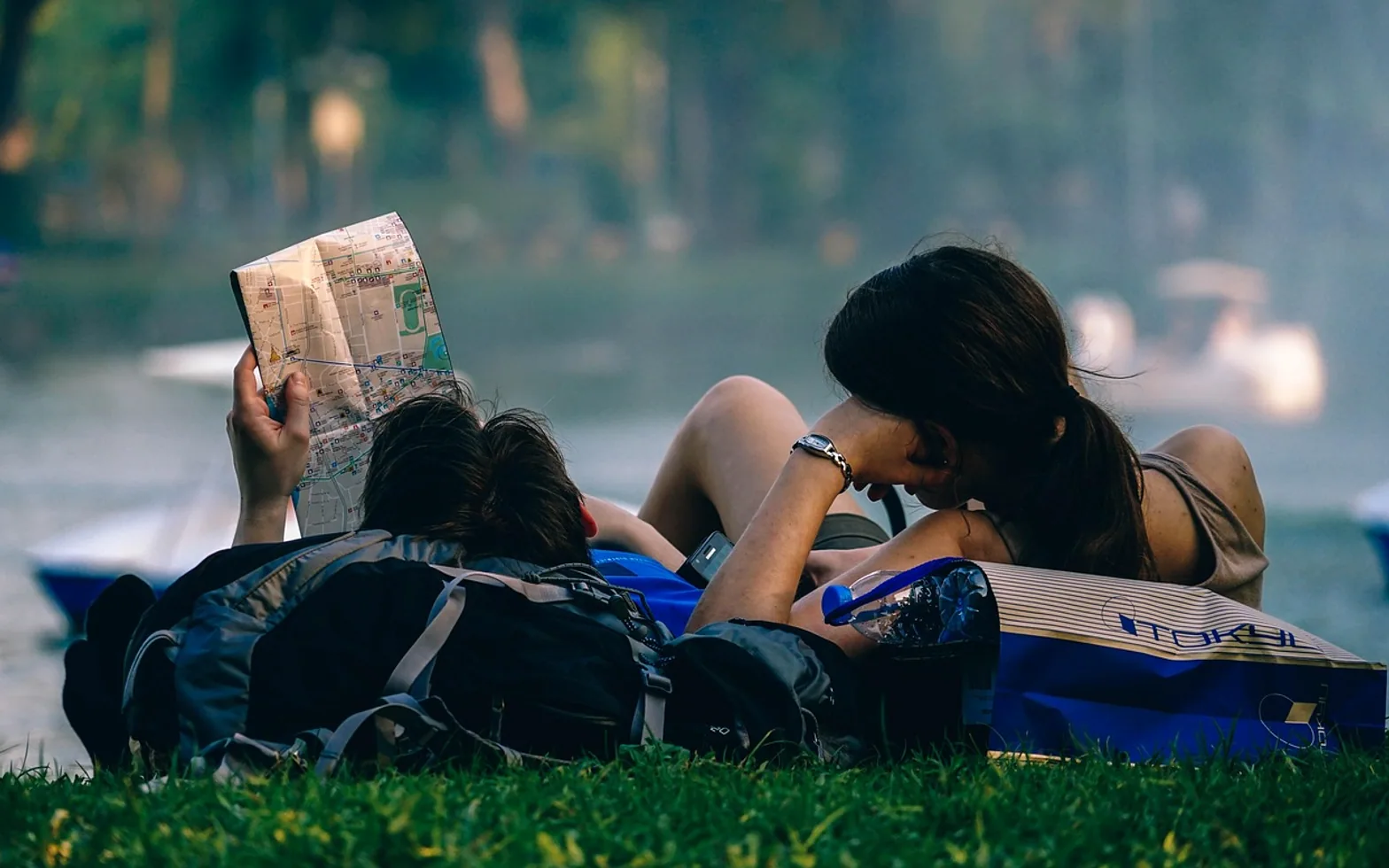
The cheapest trip is not always the best-value one. A week spent hunting for the lowest price on everything can leave a traveller tired and slightly resentful, while a trip that spends freely on a few chosen moments and economises everywhere else often feels richer. Budget travel works best as a set of priorities rather than a list of sacrifices.
Give every euro a job
Before booking anything, write down the two or three experiences that would make the trip feel worthwhile: a particular museum, a long hike, a seafood dinner by the harbour, a day at a festival. Protect those. Everything else, from where you sleep to how you get around, becomes a place to save. This approach also makes decisions faster on the road, because the question shifts from "Can I afford this?" to "Does this matter more than what I already chose?"
Timing does most of the heavy lifting
Travel prices respond strongly to demand. Shoulder seasons, the weeks just before or after peak periods, often bring lower fares and room rates while the weather is still pleasant. Midweek departures can be cheaper than weekends, and booking flexible dates rather than fixed ones widens the options. Quieter periods also mean shorter queues and more relaxed restaurants, which improves the experience as well as the budget.
Stay, eat and move like a resident
- Sleep: hostels with private rooms, guesthouses, apartment rentals with a kitchen and house-sitting arrangements can all cost less than central hotels. Staying one or two transit stops outside the tourist core often makes a large difference.
- Eat: markets, bakeries and lunch menus at local restaurants tend to be good value. Making breakfast at the accommodation frees money for a better dinner.
- Move: day passes for public transport, walking routes and city bikes beat taxis for most trips across town. Some regular bus or tram lines pass major sights and double as an inexpensive tour.
Free and low-cost experiences
Many cities offer free museum days, open-air concerts, walking tours run on a tip basis, public gardens and viewpoints that cost nothing. Local tourism offices and community noticeboards list events that rarely appear in guidebooks. Simply wandering a residential neighbourhood, sitting in a park or watching a local sports match can become the most vivid memory of a trip.
Share the trip, share the costs
Travelling with others spreads the expense of a rental car, a shared apartment or a private guide. Solo travellers are not left out: apps designed to help people meet travel buddies make it easier to find company for a day hike or a long dinner, and splitting costs for a boat trip or a taxi to a remote trailhead brings those experiences within reach.
Agree on plans and budgets in advance when sharing costs with new acquaintances, meet in public places at first and let someone at home know your itinerary.
Small habits that add up
- Where the tap water is drinkable, refill a bottle instead of buying one.
- Check card fees for foreign transactions and cash withdrawals before departure.
- Pack light to avoid baggage charges on budget airlines.
- Keep a simple daily spending note to see where money actually goes.
- Leave one unplanned day; spontaneity often finds the best free experiences.
A trip shaped this way costs less and still feels generous, because the money goes to the moments that matter most.
Tell us what you think.
We read every message.