How AI Headshot Generators Are Redefining Professional Photography
When an AI headshot is good enough, when a studio session still wins, and how to prepare source selfies so the generated portrait still looks like you.
- Added
- Revised
- Reading length3 min
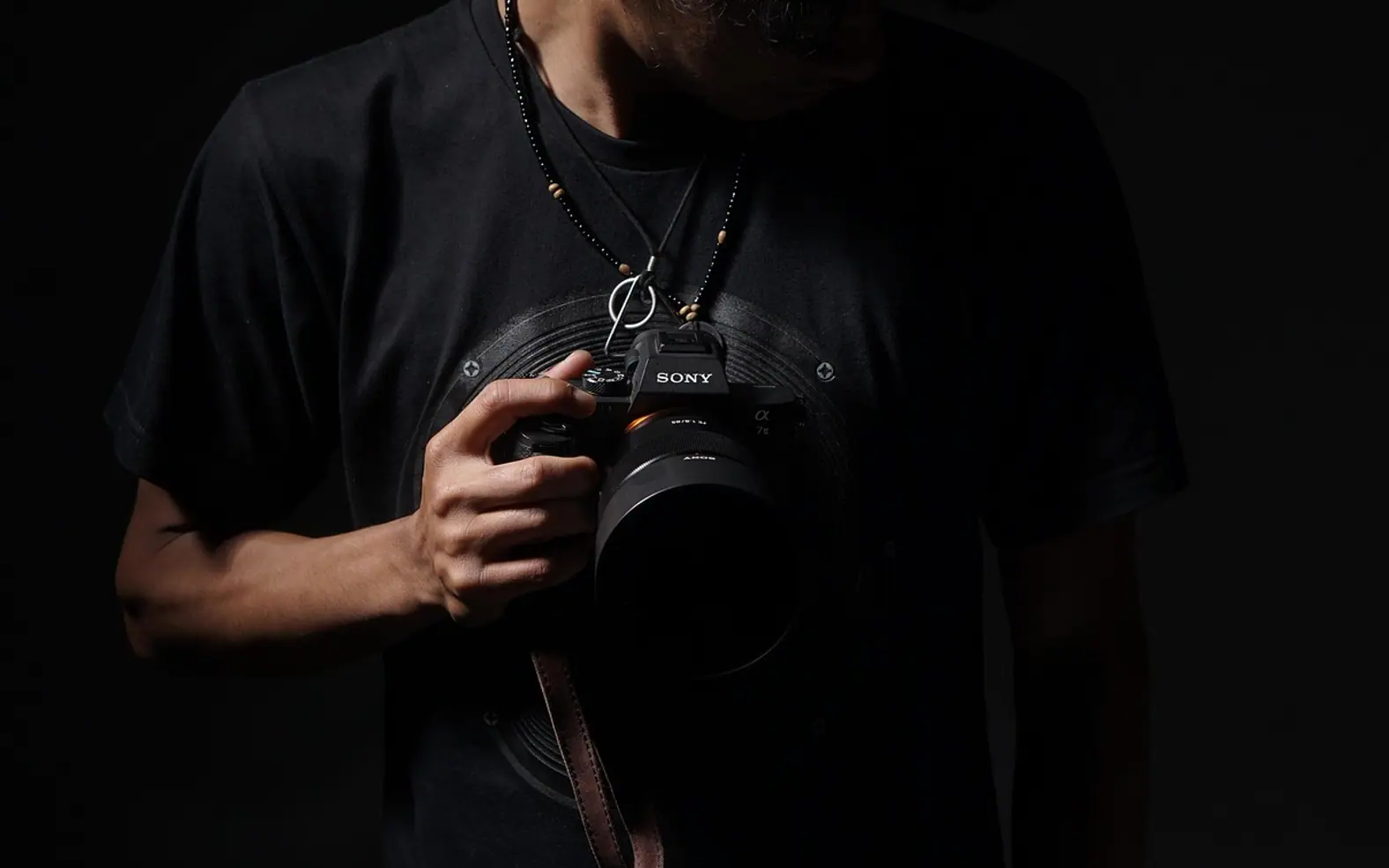
A profile photo used to mean a booked session, a borrowed blazer and a nervous half-smile under studio lights. For a growing number of people it now means uploading a handful of phone pictures and choosing from a gallery of generated portraits an hour later. That swap raises a fair question for anyone updating a CV, a company page or a speaker bio: what is actually gained, and what is quietly lost?
What the software does with your selfies
Most headshot generators ask for a set of ordinary photos taken in different light and from slightly different angles. The model learns the shape of the face, the hairline and typical expressions, then renders new images with clean backgrounds, even lighting and business-style clothing. The result is not a retouched version of one picture but a fresh image built around a learned likeness.
That distinction matters. A good output looks like you on a well-rested day. A poor one looks like a cousin who works in finance. The quality of the source photos has more influence on the outcome than most users expect.
Where generated portraits earn their place
The appeal is easy to understand. Before a recruiter reads a single line about your experience, the small circle next to your name has already set a tone, and a crisp, friendly portrait helps that first glance land well. Generators make that kind of image available to people who would never have booked a photographer: graduates, freelancers between contracts, small teams who want a consistent look across an About page without coordinating a shoot.
- Speed: a refreshed profile can be ready the same day as a job alert.
- Consistency: a remote team can match backgrounds and framing without being in one room.
- Choice: several styles, from formal to relaxed, let people pick what suits their field.
When a photographer is still the better call
Generated portraits struggle with anything that depends on real context. Actors, models and performers need images that show exactly how they look on a given day. Senior leaders whose photos appear in annual reports or press coverage often want a person behind the camera who can coax out a natural expression and check details such as glasses, jewellery or a scar that matters to the subject. Brand campaigns that feature real offices, products or colleagues also need genuine photography.
There is an honesty question too. A portrait that smooths away age or changes a face shape may look polished online, then create a small jolt when someone meets you on a video call. The safest rule is simple: pick the output that a friend would recognise instantly.
Getting a convincing result
- Use recent photos only, so the likeness reflects your current hair and glasses.
- Mix daylight and indoor shots, and avoid heavy filters or beauty modes.
- Include a few images with a natural smile and a few with a neutral face.
- Read the provider's privacy terms to learn how long your pictures are kept and whether the company may train its models on them.
- Reject any result with odd hands, mismatched earrings or warped collars; those details give the method away.
A tool alongside the craft
Photographers are not disappearing; many already use AI for retouching, culling and background work, and some offer hybrid packages. What has changed is the entry point. A dependable headshot is no longer reserved for those with a studio budget, and that broadens who gets to look professional online. Used with care and a bit of self-awareness, a generated portrait is a practical piece of the personal brand rather than a replacement for the real thing.
Tell us what you think.
We read every message.