How Cash Advance Loans Can Help You Bridge Short-Term Money Gaps
A practical look at cash advances for short money gaps: sizing the shortfall, comparing costs with other options and planning repayment before you borrow.
- Added
- Revised
- Reading length2 min
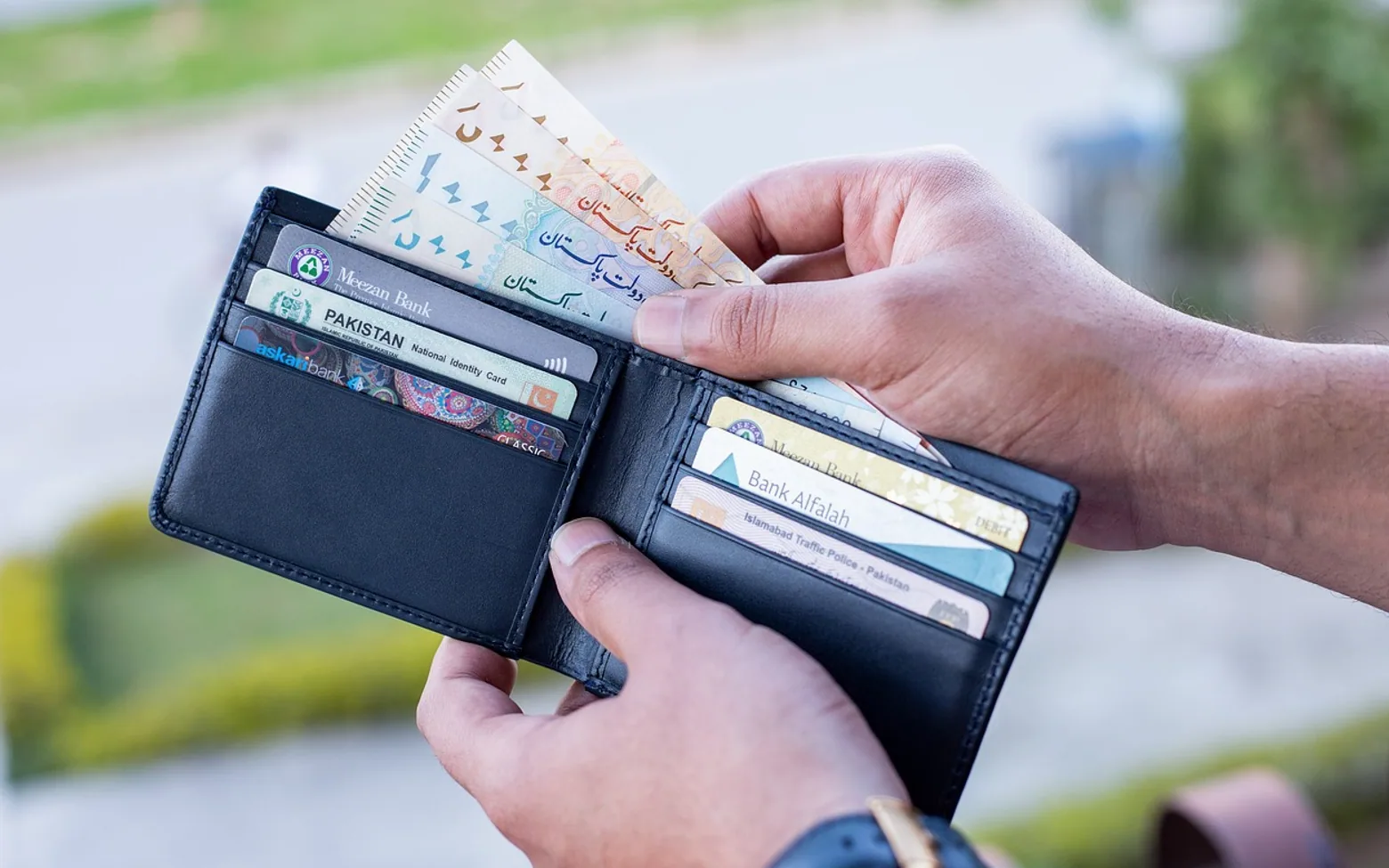
A boiler gives out on a Tuesday, payday is ten days away and the current account is already thin. Gaps like this are common, short and stressful, and they are exactly the situation that small cash advances are designed for. Used with a clear plan, they can smooth over a timing problem. Used without one, they can turn a ten-day gap into a monthly habit.
What a cash advance is
A cash advance gives you a modest sum now against money you expect to receive soon, usually your next pay cheque. Traditional versions came from payday lenders or credit cards, often with steep fees. Newer app-based options link to a bank or spending account, look at incoming pay, and offer smaller amounts with simpler terms. A Cash Advance of this app-based kind is popular because it is quick to request from a phone and is built around covering everyday shortfalls rather than large purchases.
Terms vary widely. Some services charge a subscription, some a flat fee, some interest, and repayment is commonly taken automatically when your next deposit lands.
Size the gap before you fill it
Before requesting anything, it helps to write down three numbers: the exact cost of the emergency, what is already in your account, and which bills must be paid before your next income arrives. The difference is your real gap, and it is often smaller than the first panicked estimate. Borrowing only that amount keeps repayment manageable.
- List fixed bills due before payday, such as rent, utilities and loan instalments.
- Subtract what is available today.
- Add the unexpected cost.
- Check whether any of it can be delayed or split with the supplier.
Comparing your options
| Option | Worth checking |
|---|---|
| App-based advance | Fees or subscription, maximum amount, repayment date |
| Arranged overdraft | Daily or monthly charges, impact on your bank relationship |
| Credit card | Interest on cash withdrawals, which is often higher than on purchases |
| Payment plan with the supplier | Whether it is interest-free and whether it affects your credit file |
| Help from family or an employer | Clear agreement on when it will be paid back |
Comparing the total cost in money terms, rather than as a percentage, makes the choice easier to see.
Risks to take seriously
Any form of borrowing carries risk. Because repayment is taken from your next pay, the following month starts short, and it can be tempting to borrow again to cover that. Repeated advances can add up to a significant cost over a year, and missed repayments with some lenders can lead to extra charges or affect your credit record. A cash advance suits a one-off timing problem, not an ongoing gap between income and spending.
Building a cushion for next time
Once the immediate problem is solved, the most useful step is a small emergency fund, even a modest amount set aside automatically each payday. Reviewing subscriptions, setting bill reminders and keeping a simple monthly budget all reduce how often a shortfall appears.
If short-term borrowing has become a regular part of your month, a conversation with a free, independent money-guidance charity or a regulated financial adviser can uncover longer-term fixes that one more advance never will.
Tell us what you think.
We read every message.