How Indian Payment Platforms Are Making Everyday Transactions Simpler
From the chai stall QR code to monthly bills, a walk through how Indian payment platforms simplify daily spending, and the habits that keep payments safe.
- Added
- Reading length2 min
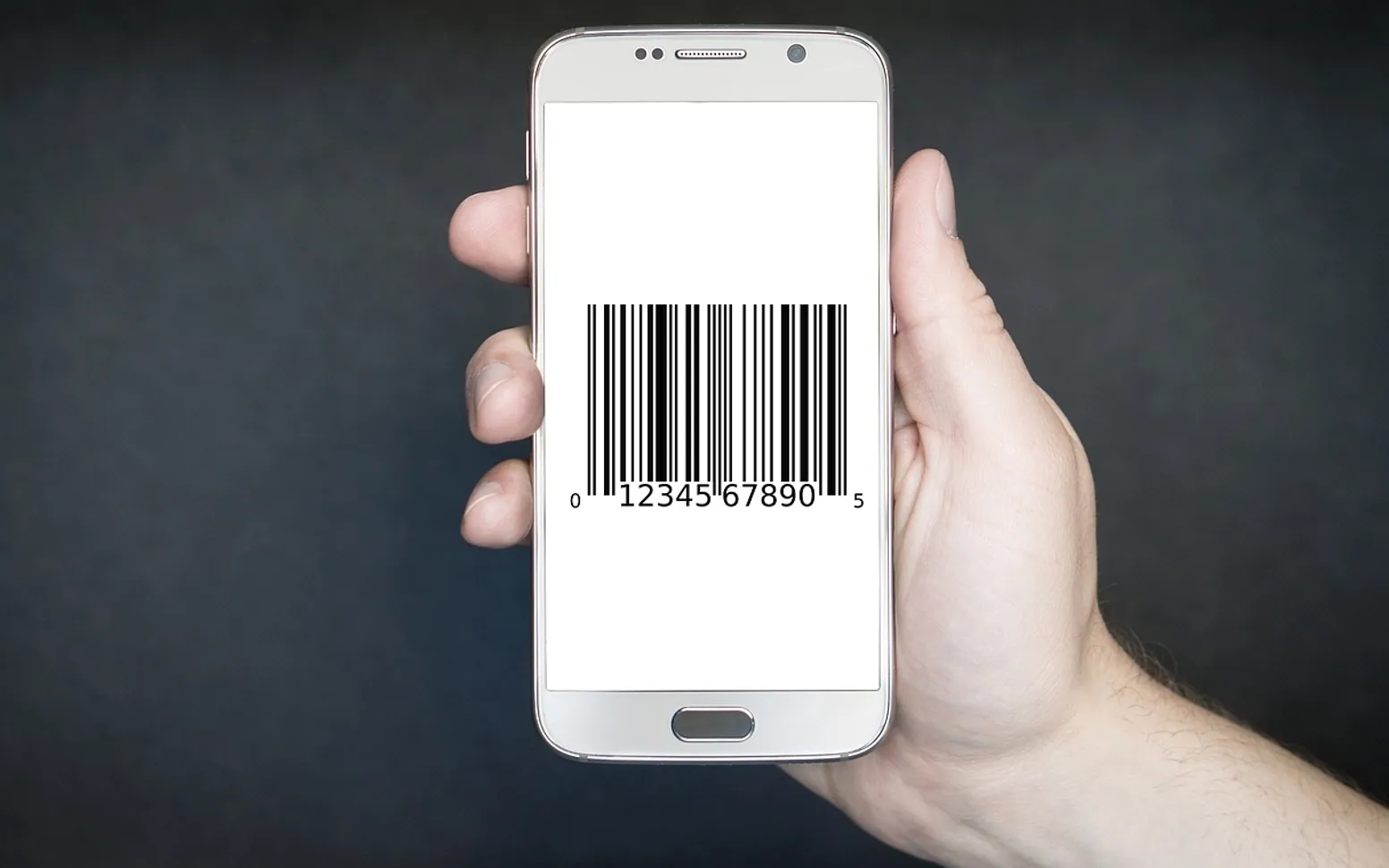
Follow an ordinary day in an Indian city and the payments almost disappear. A tea in the morning is settled by scanning a laminated code taped to the counter. The autorickshaw fare goes the same way. By evening the electricity bill, a phone recharge and a share of a group dinner have all been handled from one app, often without anyone touching a note or a card.
One identifier, many uses
The backbone of this shift is the real-time payment network that lets bank accounts talk to each other through a simple virtual address or a QR code. Customers do not need to know account numbers or bank codes; they need a phone number or a payment ID. Merchants do not need card terminals; a printed code and a speaker that announces each incoming payment is enough for a vegetable seller.
That simplicity is why digital payments spread so far beyond big shops. A tailor, a tutor and a temple donation box can all accept money the same way a supermarket does.
More than sending money
Most popular apps have grown into everyday toolkits. Alongside transfers, they handle utility bills, school fees, insurance premiums, rail tickets, small savings and gift cards. For anyone trying to understand how these services, banks and regulators fit together, an overview such as 印度支付 is a helpful reference that lays out the main platforms and how the system has evolved.
- Scan and pay: quick payments at shops and stalls.
- Collect requests: a business sends a request that the customer approves.
- Bill reminders: recurring payments with alerts before the due date.
- Split expenses: shared costs divided among friends or flatmates.
Why small businesses like it
For shopkeepers, digital payments reduce the daily chores of counting cash, keeping change and making bank trips. Every transaction leaves a record, which makes bookkeeping easier and can help when applying for credit. Payments arrive in the account immediately, so cash flow is easier to track. Customers like not needing exact change, and many shops find that people are more willing to make small top-up purchases when paying takes a second.
Staying safe while paying fast
Speed also benefits fraudsters, so a few habits are worth keeping:
- Treat any prompt for your PIN when someone says they are paying you as a scam: incoming money needs no PIN.
- Check the payee name shown on screen before confirming.
- Never share one-time passwords or install screen-sharing apps at a stranger's request.
- Use the app's official support channels rather than numbers found in search results or messages.
- Keep the app and phone software updated, and set a screen lock.
Banks and apps continue to add features such as transaction limits and alerts, but user awareness remains the strongest protection.
Taken together, these platforms have made paying for things in India feel less like a task and more like a reflex, and that convenience is reshaping how households budget and how small businesses grow.
Tell us what you think.
We read every message.