Illuminating Elegance: Creative Uses of Low Voltage Lights in Your Yard
Plan your yard lighting with an evening walk-through, then use low voltage fixtures for paths, trees, water, walls, decks and garden zones that feel inviting.
- Added
- Reading length2 min
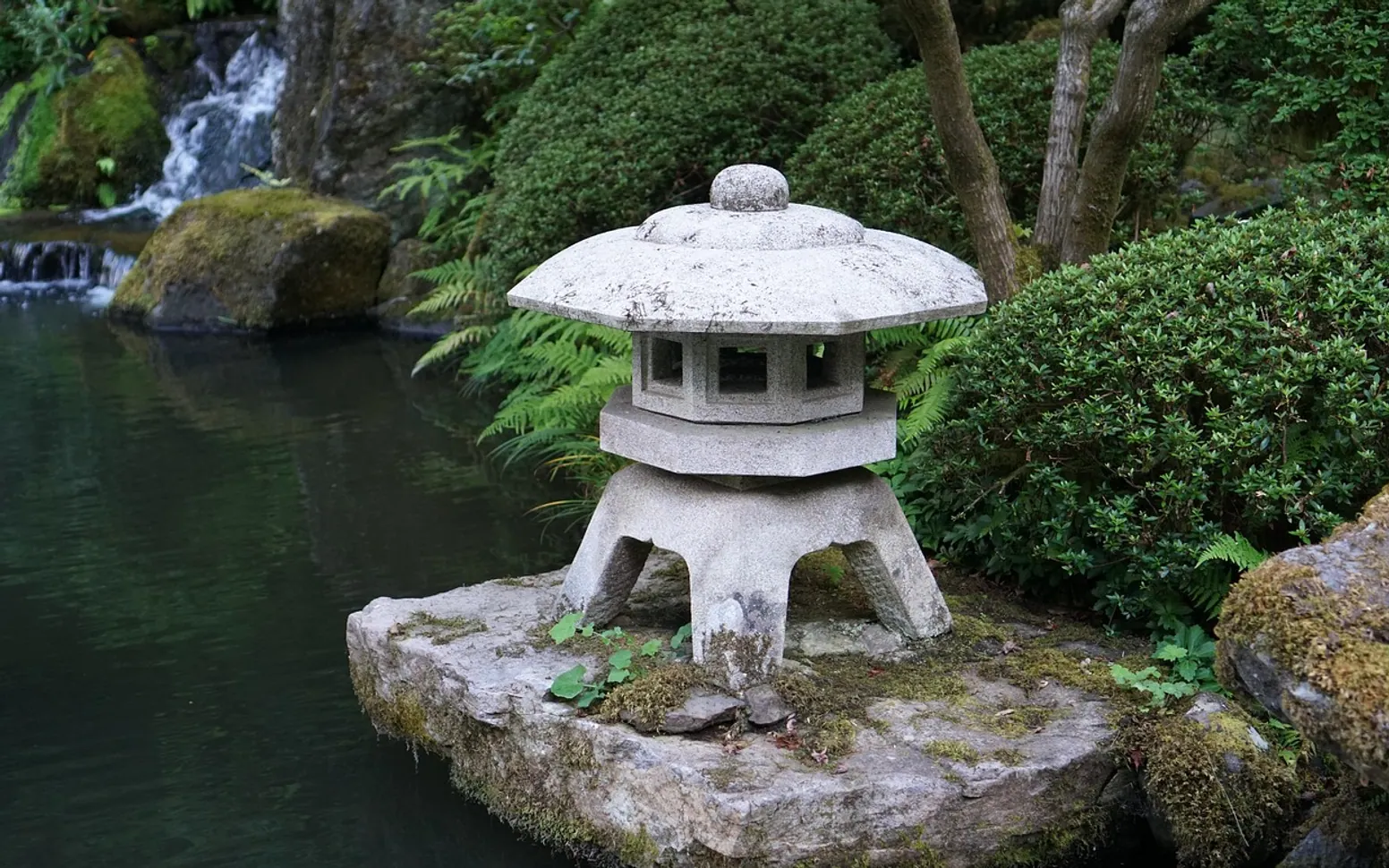
The best outdoor lighting plans usually start with a torch rather than a catalogue. Walk the garden after dark, notice where you stumble, which tree looks striking in the beam and which corners feel uninviting. That simple evening tour shows where light is needed for safety and where it can turn an ordinary yard into a place people want to linger.
Why low voltage suits home gardens
Low voltage systems run from a transformer that steps mains power down to a safer level for the garden. Cables can often be laid in shallow trenches, fixtures can be moved as plants grow, and LED lamps use little electricity. The transformer and any new outdoor socket should be installed to local electrical rules, which in many places means calling in a qualified electrician for that part of the job.
Light the way, then the scenery
Paths and steps come first. Low bollards or downward-facing path lights placed on alternating sides create a gentle rhythm rather than a runway. Step lights set into risers make stairs safe without glare.
Once the routes are covered, turn to the features that give the garden its character:
- Trees: an uplight at the base shows off bark and canopy; for large trees, two lights from different angles add depth.
- Walls and hedges: grazing light close to a textured surface brings out stone, brick or clipped leaves.
- Water: submersible lights in a pond or fountain make moving water sparkle, while a light aimed across still water creates reflections.
- Sculptures and planters: a narrow beam from the front or side picks out shape and casts interesting shadows.
Create rooms outdoors
Low voltage landscape lights are especially good at dividing a garden into separate outdoor rooms, and their durable, well-made fixtures let homeowners shape each area with a different mood. A dining area can have warm, even light over the table, a lounge corner softer glows at seat height, and a lawn for children's games a brighter wash on its own switch or timer.
| Zone | Lighting idea |
|---|---|
| Deck or patio | Recessed deck lights, under-rail strips or wall lights |
| Seating corner | Low spotlights on nearby plants for a soft backdrop |
| Entrance | Lights on both sides of the path and on the house number |
| Back border | A few uplights to give the garden depth from indoors |
Finishing touches worth the effort
- Choose a warm colour temperature for planting and seating areas; cooler tones can look harsh.
- Hide the source: aim fixtures so people see the effect, not the bulb.
- Avoid lighting every plant; darkness between features creates contrast.
- Use timers or smart controllers so lights come on at dusk and switch off late at night.
- Point fittings away from neighbours' windows and the sky to keep light where it belongs.
Lighting can be built up over time, starting with paths and a single feature and adding zones each season. With a little planning, low voltage fixtures make the garden safer, extend the hours it can be enjoyed and give it an evening personality that is quite different from its daytime look.
Tell us what you think.
We read every message.