Solving the Mystery: Why Your Brakes Squeak at the Start of a Drive
Overnight moisture, surface rust, pad material and glazing can all make brakes squeak on the first few stops. How to tell harmless noise from a sign of wear.
- Added
- Reading length2 min
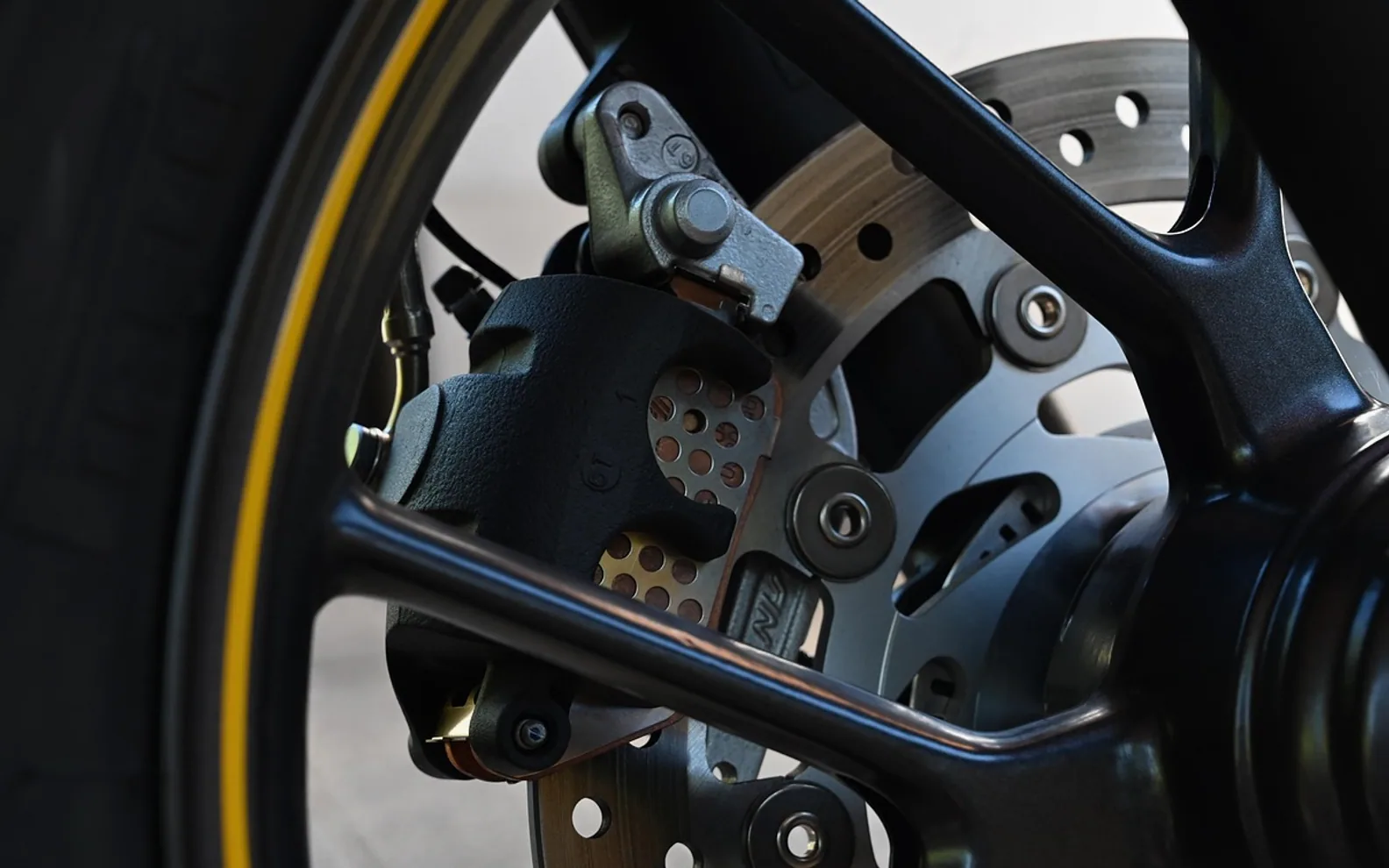
You back out of the driveway, touch the brake pedal and hear a thin squeal. By the end of the street it has gone, and the rest of the drive is silent. Morning brake noise is one of the most common things drivers notice, and in many cases it is harmless. Knowing the usual causes helps you tell the difference between a quirk and a warning.
The most common culprit: overnight moisture
Brake discs are bare metal. When a car sits overnight, especially in damp weather or after a wash, a fine layer of surface rust can form on the discs. The pads wipe that film off during the first few stops, and the wiping can produce a squeak or a light grinding sound. Once the surface is clean, the noise stops. Cars parked outdoors or near the coast tend to notice this more often.
If you have ever wondered why do my brakes squeak when I first start driving, this guide sets out the everyday explanations in plain language and helps drivers judge when a sound is simply part of normal braking.
Other causes worth knowing
- Pad material. Some brake pads, particularly those with higher metal content, are naturally noisier when cold.
- Glazed pads or discs. Heavy braking can harden the surfaces, making them squeal and grip less well.
- Dust and debris. Grit trapped between pad and disc can cause noise until it works free.
- Wear indicators. Many pads have a small metal tab that deliberately squeals when the friction material is getting thin.
- Loose or missing hardware. Shims and clips reduce vibration; if they are worn, noise can increase.
Harmless or worth a check?
| What you notice | Likely meaning |
|---|---|
| Squeak only on the first few stops, then silence | Usually surface rust or moisture |
| Constant high-pitched squeal while braking | Possibly wear indicators; have pads checked |
| Grinding or metal-on-metal sound | Pads may be worn through; get it inspected promptly |
| Pulling to one side, vibration or a soft pedal | Needs professional attention before further driving |
Simple habits that help
Parking in a garage or under cover reduces overnight moisture. Gentle braking during the first minute of a drive lets the discs clean up without stress. Regular servicing allows a mechanic to measure pad thickness, check disc condition and lubricate contact points where appropriate.
Brakes are a safety system, so when in doubt, have them inspected by a qualified mechanic rather than guessing. A short, fading squeak on a damp morning is rarely cause for concern, but any change in how the pedal feels or how the car stops deserves prompt attention.
Tell us what you think.
We read every message.