
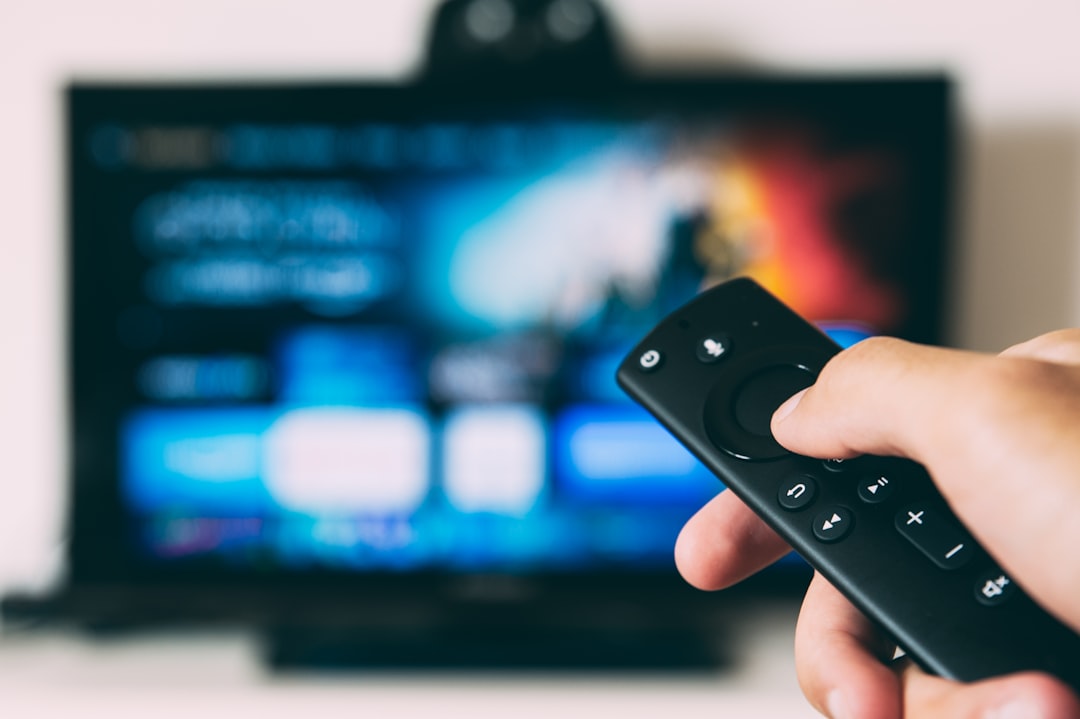
Across France, home entertainment is changing fast. Traditional television still has a place, but viewers increasingly expect more choice, more flexibility, and a better fit with modern digital habits. That is exactly why IPTV has moved from a niche option to a mainstream conversation. By delivering television over internet networks rather than through older broadcast methods, IPTV aligns perfectly with how French households now consume media: on demand, across multiple devices, and with far greater control. As broadband infrastructure improves and audience expectations rise, IPTV is reshaping what families, couples, students, and professionals want from entertainment at home.
A more flexible way to watch television
One of the biggest reasons IPTV is transforming entertainment in France is simple: it gives viewers freedom. Instead of building their evenings around fixed schedules, households can watch what they want, when they want. Live channels remain important, especially for news, sport, and national events, but viewers also expect replay features, on-demand libraries, and seamless switching between devices.
That flexibility matters in everyday French life. A family in Lyon may want children’s programming in the afternoon, films in the evening, and sports at the weekend. A student in Paris may prefer to stream international channels on a laptop, while a commuter in Marseille might continue watching content on a tablet or smartphone. IPTV supports these habits naturally because it is designed for connected living.
It also reflects a broader cultural shift. Audiences no longer think in terms of a single television set in the living room. Entertainment now follows the user, not the device. IPTV makes that possible by offering a consistent viewing experience across smart TVs, set-top boxes, phones, and computers. In a country where digital adoption continues to grow, that convenience has become a major advantage.
French viewers want more content, not less
France has a rich television culture, but modern viewers are rarely satisfied with limited channel bundles or narrow programming windows. They want local content, international channels, films, documentaries, children’s entertainment, premium sport, and multilingual options in one accessible environment. IPTV responds to this demand by expanding the range of available programming and making discovery easier.
This is particularly relevant in France’s diverse and internationally connected population. Many households speak more than one language or want access to content from other countries alongside French programming. IPTV can support a broader media mix, which is attractive for expatriates, bilingual families, and viewers with global interests.
When people compare available services, they often look for a platform that combines variety with ease of use. That is why many consumers researching digital TV solutions may explore providers such as abonnementiptvhd.com as part of their search for broad channel access and a modern viewing experience. The appeal is not only quantity, but also convenience: users want entertainment gathered in one place rather than scattered across disconnected services.
In practical terms, IPTV supports the kind of personalized media experience that French audiences increasingly expect:
- Live TV for news, sports, and events
- On-demand libraries for films and series
- Replay functionality for missed programs
- International channels for multilingual or global viewing
- Multi-device access for flexible watching throughout the home
That mix is one of the strongest reasons IPTV continues to gain attention across the country.
Better value in a cost-conscious market
Another major driver behind IPTV growth in France is value. Households are becoming more selective about monthly subscriptions, especially when entertainment costs add up across internet, mobile, streaming platforms, and premium sports packages. Consumers want to feel that they are paying for something tailored to their needs rather than for outdated bundles filled with channels they never watch.
IPTV often enters the conversation because it can provide a more adaptable alternative. Instead of relying exclusively on conventional television structures, viewers can seek solutions that better match their preferences and budget. That does not mean cost is the only factor, but it is an important one. In a competitive market, affordability combined with convenience becomes a powerful combination.
There is also a perceived value in simplicity. Many people prefer one central access point for entertainment rather than managing multiple subscriptions, interfaces, and remotes. IPTV helps reduce friction. A user-friendly platform, clear navigation, and a wide content selection can make the overall experience feel more worthwhile, even before price is considered.
For French households balancing quality and expense, IPTV’s value proposition is clear:
- It can reduce dependence on rigid TV packages.
- It supports more personalized viewing habits.
- It often works with devices people already own.
- It brings live and on-demand entertainment together in one system.
As people reassess how much they spend on media each month, IPTV becomes an increasingly logical option.
Technology in France is finally catching up with viewer expectations
IPTV’s rise would not be possible without the wider improvement of internet connectivity across France. As fiber deployment expands and home broadband performance improves, streaming high-quality television has become more realistic for a larger share of the population. Viewers are less willing to tolerate buffering, poor image quality, or complicated installations, and stronger infrastructure helps remove those barriers.
At the same time, smart TVs and connected devices are now standard in many homes. This creates an ideal environment for IPTV adoption. What once required technical effort now feels straightforward. Users can install an app, configure a compatible device, and begin watching without the limitations associated with older delivery models.
There is also an important emotional factor: control. Today’s viewer wants to search quickly, save favorites, pause and resume, and move effortlessly between live programming and on-demand content. IPTV meets those expectations because it is built around digital interaction, not passive reception. In that sense, it is not just a different way to deliver channels; it is a different philosophy of television.
As the French entertainment market continues to evolve, IPTV stands out because it brings together the features viewers now consider essential: mobility, personalization, breadth of content, and convenience. The transformation is not happening in theory. It is happening in living rooms, bedrooms, student apartments, and family homes across the country.
IPTV is transforming home entertainment across France because it reflects how people actually want to watch television today. It offers flexibility instead of fixed schedules, variety instead of narrow choice, and digital convenience instead of outdated limitations. For households seeking more control, better value, and a richer entertainment experience, IPTV is no longer an alternative at the edge of the market. It is becoming central to the future of television in France.