Money Saving Tips Everyone Should Know
Everyday ways to keep more of your money: smarter grocery runs, second thoughts on fast-depreciating buys, trimmed recurring bills and a pause before paying.
- Added
- Revised
- Reading length2 min
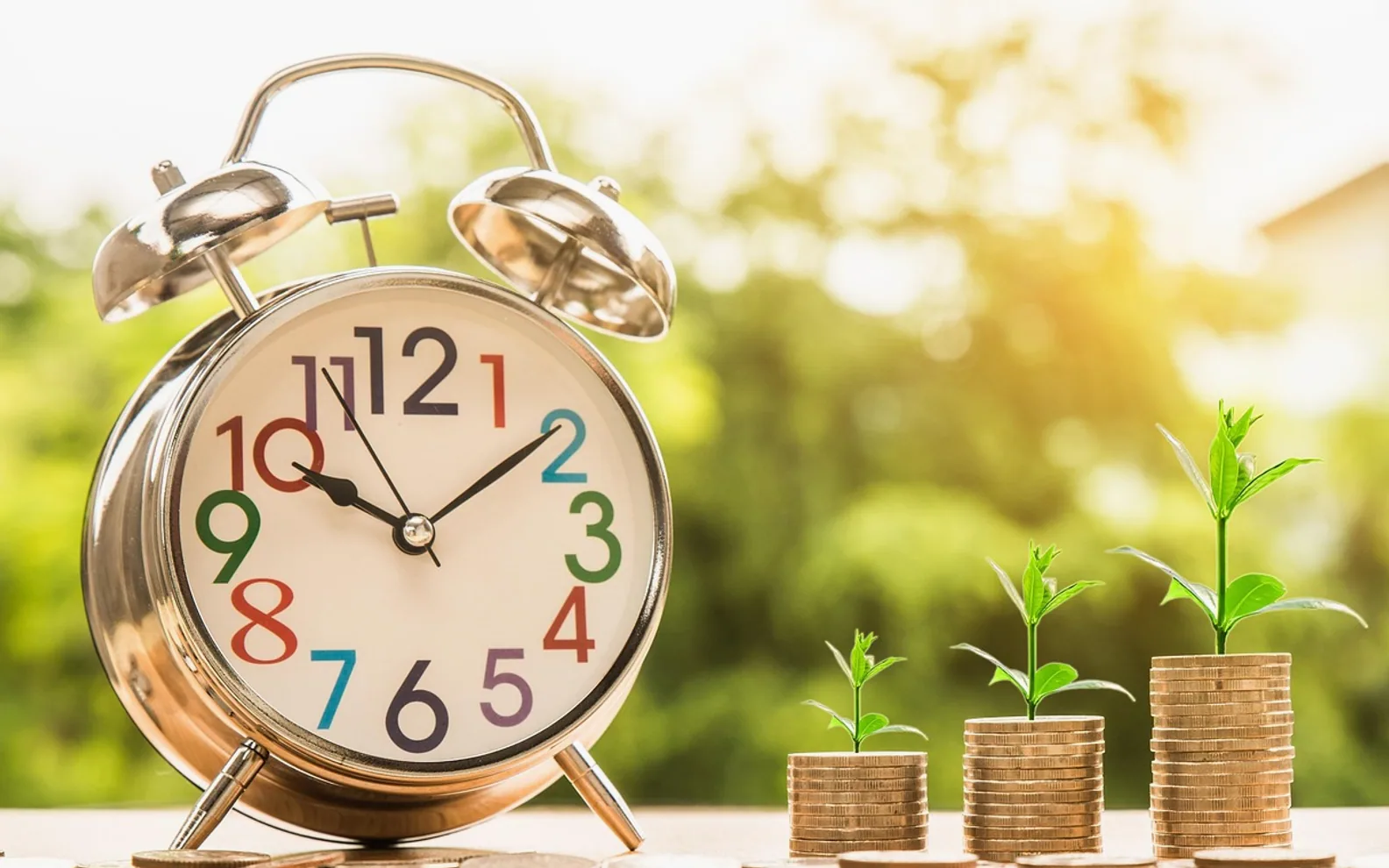
Saving money is less about dramatic sacrifice and more about noticing the small leaks. A forgotten subscription, food that goes off at the back of the fridge, a new gadget bought on impulse: none of these feel important on their own, yet together they decide whether a month ends with something left over.
The kitchen is a good place to start
Food is one of the few large expenses that people can adjust every week. A few habits make a real difference:
- Check the cupboards and fridge before shopping, then write a list and stick to it.
- Plan meals that share ingredients, so half a bag of spinach does not end up in the bin.
- Compare the price per kilo or per litre on shelf labels rather than the headline price.
- Try supermarket own-brand versions of staples; many households cannot tell the difference.
- Cook larger portions and freeze leftovers for busy evenings that might otherwise mean a takeaway.
Think twice about things that lose value quickly
Some purchases start losing value the moment they leave the shop. New cars are the classic example, but phones, laptops and fashionable furniture follow the same pattern. That does not mean never buying them; it means asking whether a nearly new or refurbished version would serve just as well. A car a couple of years old, or a certified refurbished phone, often does the same job for considerably less.
The reverse also holds: paying a little more for durable items that last for years, such as good shoes or a reliable appliance, can be cheaper in the long run than replacing a cheap version repeatedly.
Audit the bills that renew themselves
Recurring payments are easy to forget because they never ask for permission. Once or twice a year, go through bank statements and list every regular charge. Typical candidates for trimming include:
| Bill | What to check |
|---|---|
| Mobile contract | Whether a SIM-only plan would cover your usage |
| Insurance | Renewal quotes against other providers |
| Energy | Tariff type and whether usage habits could change |
| Subscriptions | Streaming, apps and memberships you no longer use |
A polite call asking for a better deal at renewal time is often worth the few minutes it takes.
Build a pause into spending
Many unnecessary purchases happen in a moment of boredom or excitement. A simple waiting rule helps: for anything non-essential above a set amount, wait a few days before buying. Remove saved card details from shopping sites and unsubscribe from marketing emails that announce flash sales. If the item still seems worthwhile after the pause, buy it without guilt.
Finally, give the money you save a destination. Moving it straight into a separate savings pot makes the progress visible, and seeing that balance grow is one of the best motivations to keep going.
Tell us what you think.
We read every message.