What Is Inflation, and Why Does It Matter to You?
Inflation explained without jargon: what it measures, why prices rise, who feels it most, and calm, practical ways to protect a household budget.
- Added
- Reading length4 min
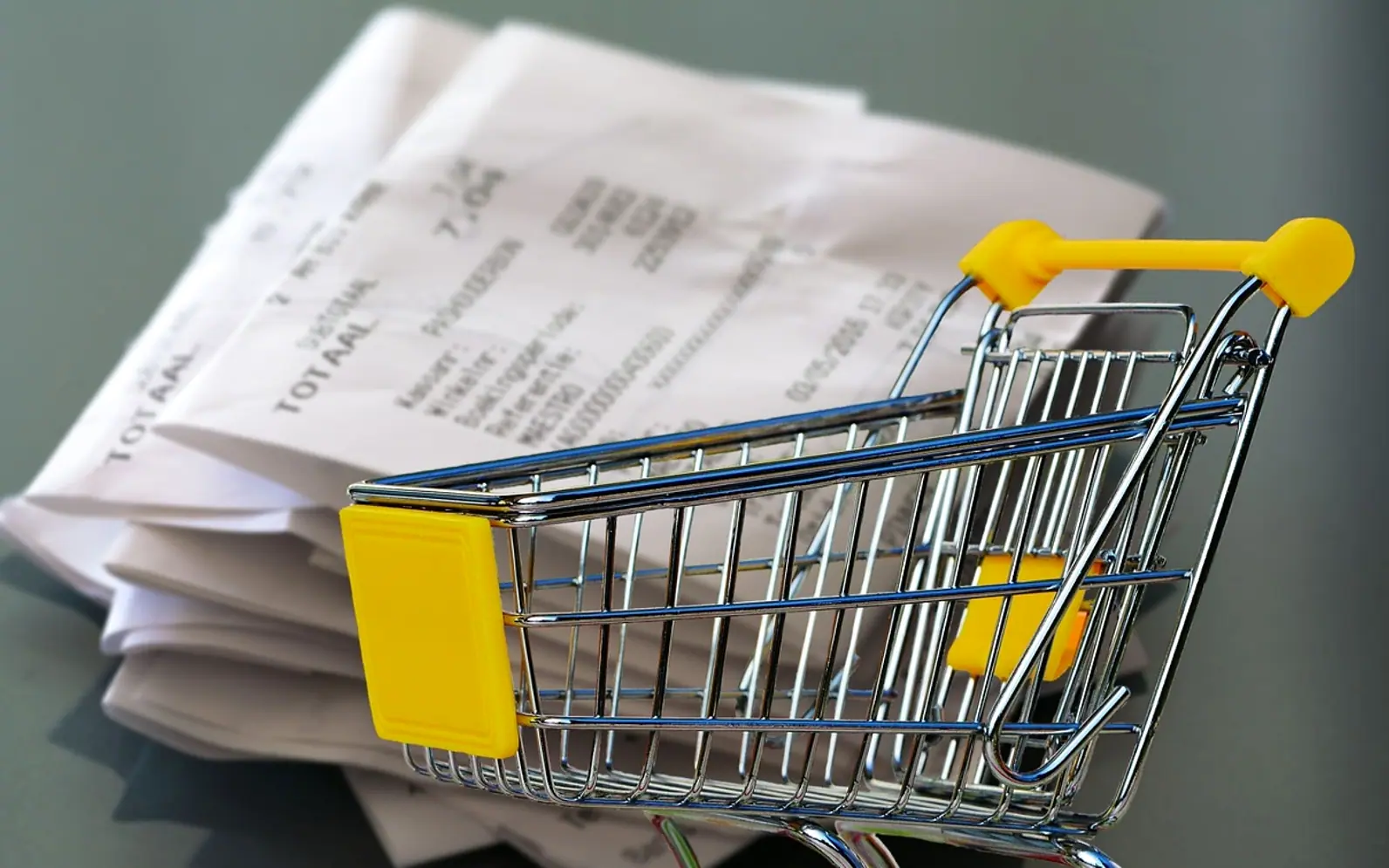
You notice it at the checkout before you ever read about it in the news. The same basket of groceries costs more than it did a while ago, the insurance renewal arrives with a higher figure, and the takeout you used to treat yourself to now feels like a splurge. That gradual creep is inflation. Understanding it will not make prices fall, but it does help you make calmer decisions about saving, spending and borrowing.
This article is general information, not financial advice. For decisions about your own savings or debts, speak to a qualified professional.
A working definition
Inflation is a general rise in the prices of goods and services across an economy over time. The key word is general. One product getting pricier because of a poor harvest is not inflation on its own; inflation is when prices across many categories drift upward together. The flip side is that each unit of money buys a little less than before. Economists call this a fall in purchasing power.
How it is measured
In the United States, the best-known gauge is the Consumer Price Index (CPI), published by the Bureau of Labor Statistics. It tracks the prices of a large, representative basket of things households buy, from food and rent to transport and medical care, and reports how that basket's cost changes. Other measures exist, and the Federal Reserve pays close attention to a related index of personal consumption spending.
Keep in mind that an official rate is an average. Your personal inflation rate depends on what you actually buy. Someone who rents in a busy city and drives a long commute may feel price rises very differently from a homeowner who works from home.
Why prices rise
There is rarely a single cause, but economists often group the drivers into three families:
- Demand-pull. When people and businesses want to buy more than the economy can produce at the moment, sellers can raise prices.
- Cost-push. When the cost of making things goes up, for example energy, raw materials or shipping, producers pass part of that on.
- Expectations. If everyone expects prices to keep rising, workers ask for bigger raises and businesses set higher prices in advance, which can keep the cycle turning.
Is some inflation normal?
Yes. Most central banks, including the Federal Reserve, aim for low and stable inflation rather than none at all. Very high inflation makes planning difficult and erodes savings quickly. The opposite, deflation, where prices fall broadly, can also be harmful because people delay purchases and businesses cut back. Central banks mainly respond by adjusting interest rates: raising them tends to cool spending, lowering them tends to encourage it.
Who feels it most
| Situation | How inflation tends to affect it |
|---|---|
| Cash in a low-interest account | Loses purchasing power if interest earned is below the rate of price rises |
| Fixed income, such as some pensions | The same payment covers less over time unless it is adjusted |
| Fixed-rate loans | Repayments stay the same while wages and prices may rise, which can ease the burden |
| Variable-rate loans and credit cards | Often become more expensive when interest rates go up in response |
| Wages | Real pay only rises if raises keep pace with prices |
Practical ways to respond
You cannot control the national inflation rate, but you can control how your household reacts. A few steady habits help more than dramatic moves:
- Know your own numbers. Compare your spending in a few categories with what you spent a year ago. This shows where price rises actually hit you.
- Revisit your budget. Fixed bills such as phone plans, insurance and subscriptions can often be renegotiated or switched.
- Keep an emergency fund, but check where it sits. Cash for emergencies should stay easy to reach. Shopping around for a better savings rate can soften the loss of purchasing power.
- Think long term about investing. Many people hold long-term savings in diversified investments, for example through a workplace plan like a 401(k), partly because cash alone tends to fall behind rising prices over decades. Investments can also lose value, so match risk to your time frame.
- Be careful with variable-rate debt. If rates rise, paying down balances on credit cards can become more urgent.
- Talk about pay. If your salary has not moved in a while, a well-prepared conversation with your employer is reasonable.
What not to do
Inflation headlines can trigger panic decisions: emptying savings into something risky, stockpiling goods you will not use, or taking on debt on the theory that it will be "cheaper later". None of these is a plan. Steady budgeting and a clear view of your own spending beat reacting to each monthly figure.
If you want quick wins in the meantime, our list of money saving tips everyone should know is a good place to start, and the grocery bill is often where small changes add up fastest.
Tell us what you think.
We read every message.