Getting Around Seoul at Night: Subway, Buses, Taxis and the Last Ride Home
How to get around Seoul after dark: subway, night buses, taxis, ride-hailing apps, transport cards and walking between Gangnam and Sinsa, plus the ride home.
- Added
- Reading length5 min
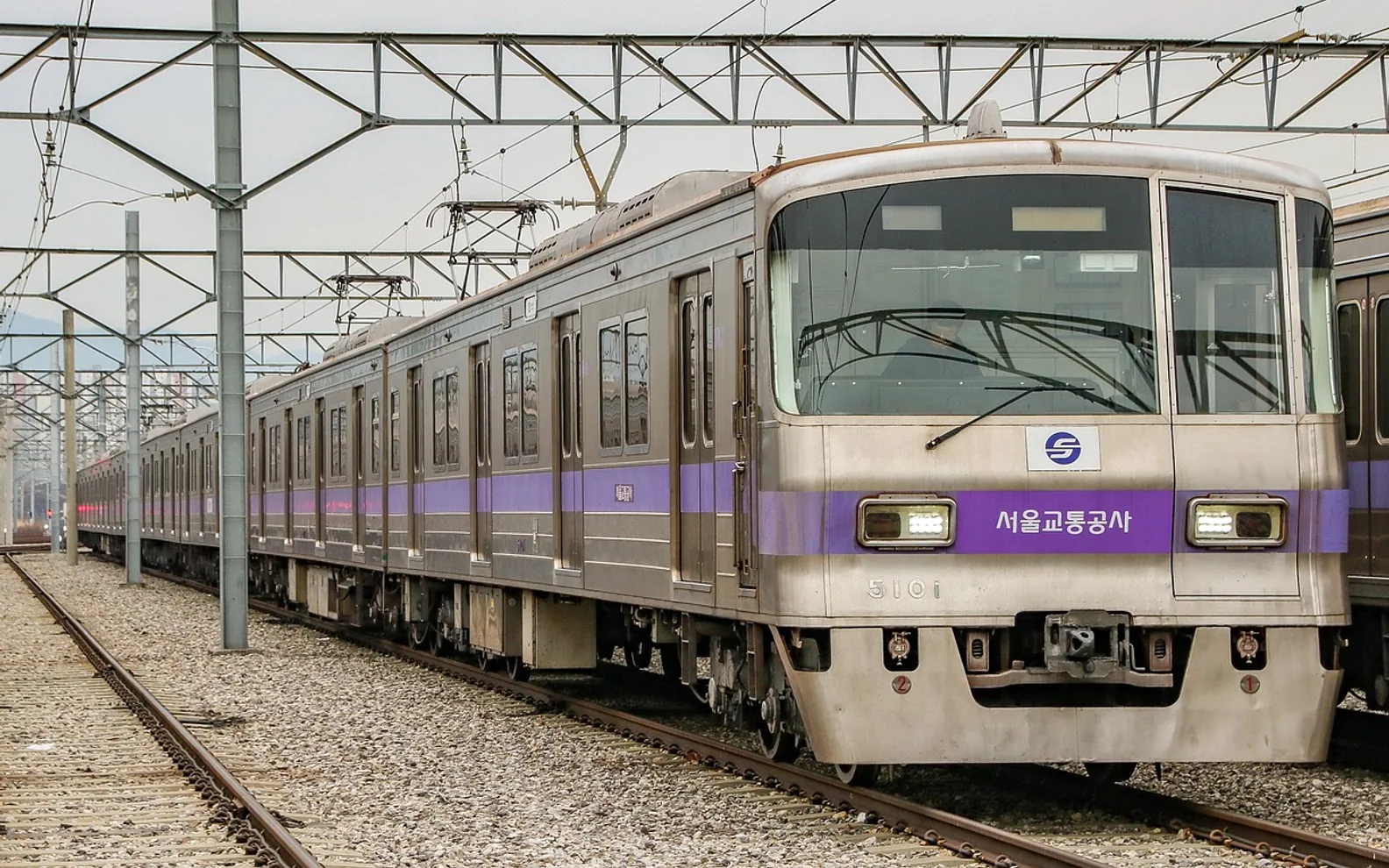
Seoul is one of the easier big cities to cross at night: the subway carries you through the evening, a network of late-night buses takes over once trains stop, and taxis and ride-hailing apps cover the rest. The one thing that catches visitors out is timing. Last trains vary by line and by direction, so the smartest habit is to check the final departure from your station on the day and decide early whether you will ride the subway home or switch to a bus or taxi.
The subway: fast, clean and finite
For most of the evening the subway is the simplest way to move between districts. Lines are colour-coded and numbered, stations announce stops in Korean and English, and signs at transfer points are clear even for first-time riders. Trains run frequently in the early evening and thin out as the night goes on.
The catch is that the network does not run all night. Last departures differ from line to line, from one end of a line to the other, and sometimes between weekdays and weekends or holidays. If your route involves a transfer, check the last departure on both legs, not just the first. Transit apps and the station boards show the current timetable, so it is worth a quick look before dinner rather than at the platform when the gates are already closing.
Night buses when the trains stop
Seoul runs dedicated late-night bus routes that follow busy corridors after the subway closes. Their route numbers and stops are marked differently from daytime buses, and the routes change from time to time, so look them up in a map app on the day rather than relying on an old list. They tend to link major hubs and residential areas, which makes them useful for getting most of the way home even if you finish with a short walk or taxi ride.
Taxis and ride-hailing apps
Taxis are plentiful in central districts and are the most direct option after midnight. You can hail one on the street, wait at a taxi stand, or book through a ride-hailing app. Booking through an app has practical advantages for visitors: the destination is entered in writing, so there is no need to pronounce an address, and the route and driver details are recorded.
A few points help the ride go smoothly:
- Have the address in Korean. A screenshot of the destination in Korean script, or the name of a nearby landmark, is easier for a driver than a romanised street name.
- Expect a late-night surcharge. Fares are typically higher late at night; the exact rules vary, so check the current rate rather than assuming daytime prices.
- Know that demand peaks. Around the time trains stop, many people look for a taxi at once, particularly in entertainment districts. Walking a block or two away from the busiest street can make it easier to get a car.
Transport cards: one tap for everything
A rechargeable transport card works on the subway, city buses and many taxis, and it usually makes transfers between subway and bus cheaper than paying for each ride separately. Cards are sold and topped up at convenience stores and station machines. Remember to tap out as well as in on buses, because the transfer discount depends on it.
Before a long evening, top the card up with a little more than you expect to need. A card that runs dry at the night-bus door is an avoidable problem. As with general budget travel habits that keep costs predictable, a small buffer on the card spares you a scramble for cash late at night.
Walking between Gangnam and Sinsa
South of the river, several neighbourhoods sit close enough together that walking is a real option. Gangnam Station, Sinnonhyeon and Sinsa are linked by wide, well-lit main roads, and the stretch between them can be covered on foot in reasonable time for anyone comfortable with a longer stroll. Garosu-gil in Sinsa is pleasant to walk in the evening, with shops and cafes along a tree-lined street.
Planning around a Gangnam evening out
Gangnam draws a large evening crowd for dinner, cafes and group karaoke rooms, and many visitors end their night there. If the plan includes booking a private karaoke room for a group, Korean-language guides such as 강남 가라오케 explain how reservations and visits generally work, which makes it easier to judge when the session will finish and how you will get back. If drinks are part of the evening, know your limits and never drive afterwards; the subway, night buses and taxis are there for exactly that reason.
Planning the last ride home
A simple routine removes most of the stress from late nights in Seoul:
- Check the last subway departure from the station nearest your evening plans, in the direction you need, on the day itself.
- Look up a night bus route from the same area as a backup.
- Save your accommodation address in Korean on your phone, along with a nearby landmark.
- Keep your phone charged, or carry a small power bank, since maps, transport apps and ride-hailing all depend on it.
- Agree with your group in advance who is heading where, so nobody is left looking for a taxi alone.
Courtesy matters too. Late trains and buses are often full of people heading home from work, and quiet conversation is the norm. Visitors who keep their voices down and their bags off the seats will blend in easily. Late taxis also add up over a trip, so it helps to treat them as one of the variable expenses in your budget and set a little aside each night for the ride home.
Common questions
Is Seoul safe to travel around at night?
Central Seoul is generally considered comfortable to move around after dark, with busy, well-lit streets in the main districts. Normal city sense still applies: keep valuables secure, stick to main roads when walking late and use licensed taxis or app bookings.
With the timetable checked, a topped-up card and the address saved in Korean, getting back after a late evening in Seoul is usually straightforward, and the city's night transport tends to reward a few minutes of planning made earlier in the day.
Tell us what you think.
We read every message.