The Future of Commercial Real Estate in a Booming Singapore Market
Smart offices, flexible workspace, green rules and new MRT lines are reshaping Singapore property. What the shifts mean for businesses, buyers and visitors.
- Added
- Revised
- Reading length2 min
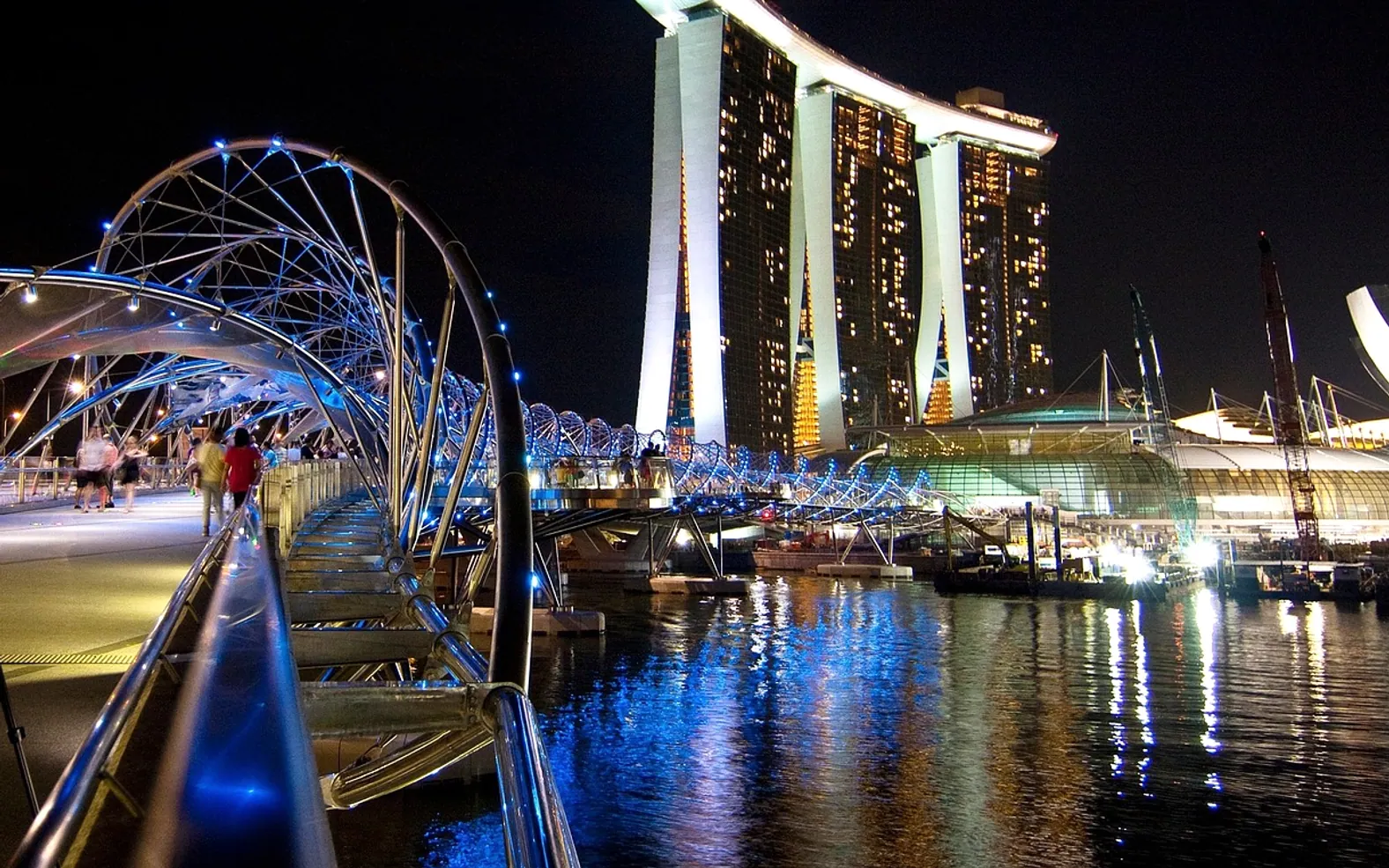
Walk from Tanjong Pagar to Paya Lebar and you pass through a small catalogue of how Singapore thinks about property: glass towers in the core, refurbished shophouses turned into studios, and business parks growing around new rail stations. The city-state has limited land, so every commercial project is a bet on how people will work, shop and travel in the decades ahead. Several forces are shaping those bets right now.
Offices that behave like technology products
Newer buildings are increasingly managed through sensors and software. Lighting and cooling respond to occupancy, access runs through phones, and facilities teams watch energy use in real time. For tenants, this means lower running costs and a workplace that is easier to adapt. For landlords, it is a way to stand out when companies compare floors across several towers. Older blocks are not disappearing, but many are being retrofitted so they can compete.
Flexible space has moved into the mainstream
Serviced offices and co-working floors began as a home for start-ups and freelancers. Today, larger firms also take flexible space for project teams or regional staff, keeping a smaller headquarters and adding desks as needed. The result is a market with more options and shorter commitments, which suits businesses still deciding how much office time their people really want.
Policy, transport and green standards
- Planning direction. Long-term master plans encourage decentralised hubs so that not every job sits in the Central Business District.
- Rail expansion. New and extended MRT lines make outlying commercial nodes more attractive to tenants and their staff.
- Sustainability. Green building certification and energy-efficiency targets now influence design, financing and tenant demand.
These policies interact. A new station can turn a quiet district into a viable office location, while green requirements raise the bar for what that location's buildings must offer.
How commercial trends spill into homes
Commercial and residential markets are closely linked. When a new business hub forms, demand for nearby homes often follows, and developers plan condominium launches accordingly. People tracking upcoming projects near growth areas often use NewLaunch to browse new developments, compare locations and see how a district is evolving before visiting showflats. Following the commercial picture can make that residential research more informed.
Reading the outlook sensibly
Singapore's stability, connectivity and planning discipline give its property market real strengths, yet it is not immune to interest-rate moves, global demand swings or new cooling measures. Prices can slide during a downturn, and rules on stamp duties and financing change from time to time. Anyone considering a purchase, whether a shop unit or a home, should check current regulations, model costs under less favourable conditions and speak with a licensed property or financial professional. The future looks busy and inventive; careful homework is what turns that energy into a sound decision.
Tell us what you think.
We read every message.