How to Lower Your Electric Bill
Practical ways to lower your electric bill: check your rate plan, heat and cool smarter, use hot water and big appliances wisely, and tackle standby power.
- Added
- Reading length4 min
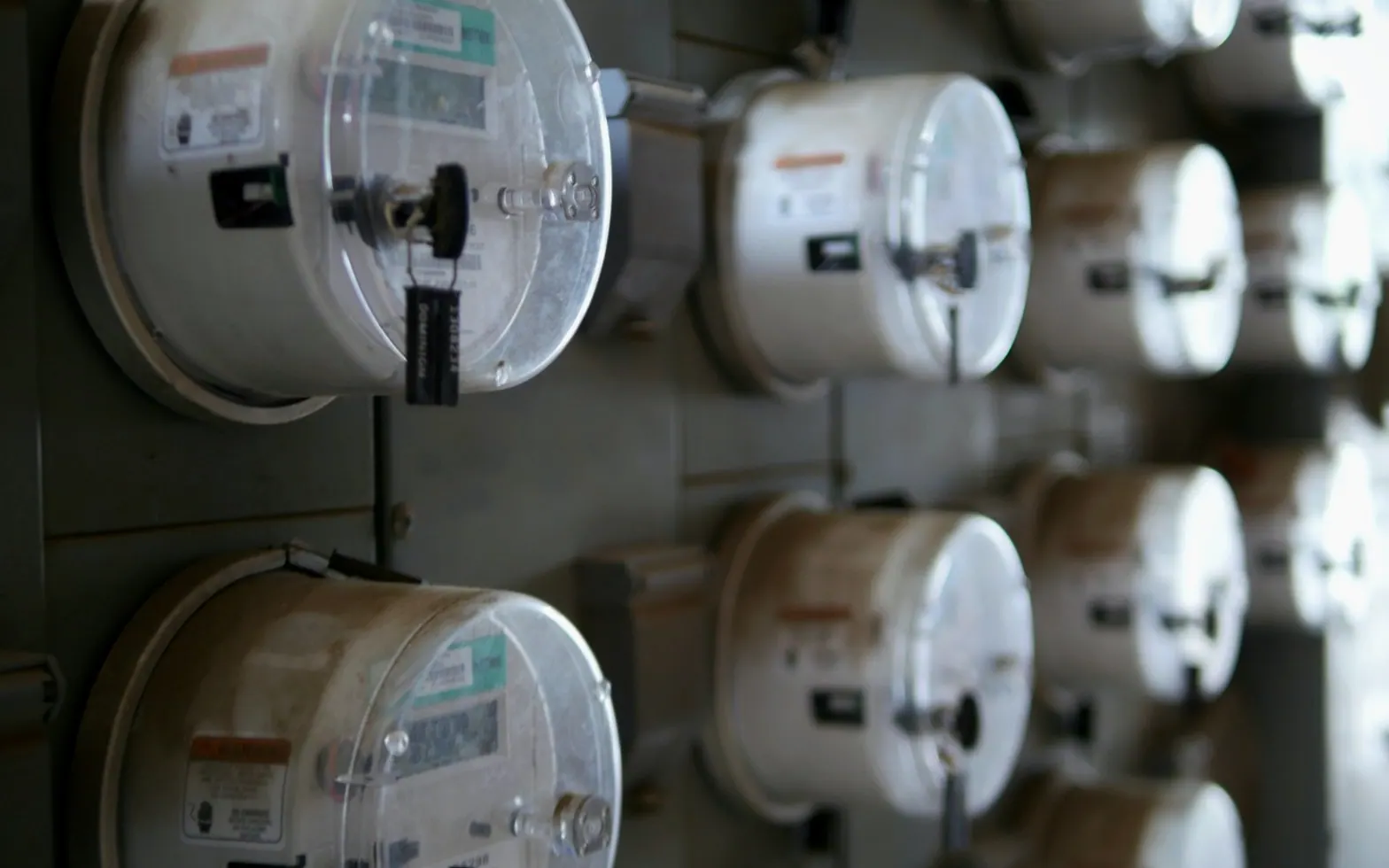
The fastest way to lower an electric bill is to focus on the things that use the most power: heating and cooling, water heating and large appliances such as dryers and ovens. Small habits with lights and chargers help too, but they add up more slowly. Start by reading your bill so you know what you pay for, then work through the free changes before spending anything on upgrades.
Start with the bill itself
A bill usually shows three useful things: how many kilowatt-hours (kWh) you used, what you pay per kWh, and any fixed daily or monthly charge. Comparing usage with the same month last year shows whether consumption is genuinely rising or whether the season explains it.
- Check your rate plan. Some utilities offer time-of-use plans, where electricity costs less at certain hours. These help only if you can move laundry, dishwashing or vehicle charging into the cheaper window.
- Ask about level billing. Budget or level billing spreads payments evenly across the year. It does not reduce what you use, but it makes winter or summer peaks easier to absorb.
- Look for usage tools. Many suppliers have online dashboards or smart-meter data that show which days and hours use the most.
Heating and cooling
Where homes are heated or cooled with electricity, this is often the largest single part of the bill, so it repays attention first.
- Adjust the thermostat a little. Even a small change in the set temperature, lower in winter and higher in summer, reduces how hard the system works. A programmable or smart thermostat can do this automatically while you are asleep or out.
- Change or clean filters. A clogged filter forces a furnace, heat pump or air conditioner to work harder. Follow the manufacturer's schedule.
- Seal draughts. Weatherstripping around doors and caulk around windows keep conditioned air in. Keep some ventilation, though: a sealed-up home with no airflow invites condensation, and the guide on how to remove mold from walls explains why damp is worth avoiding.
- Use curtains and blinds. Close them on hot afternoons to block sun, and at night in winter to hold in warmth. Open south-facing ones on sunny winter days.
- Run ceiling fans the right way. In summer, a fan blowing downwards makes a room feel cooler, so you can set the air conditioning a little higher. Turn fans off when nobody is in the room, since they cool people, not spaces.
Lowering the heating part of the bill
Heat the rooms you use rather than the whole house where possible, close doors to unused rooms, and wear an extra layer before reaching for the thermostat. Portable electric heaters can be useful for one room but are expensive to run for long periods, and they must be kept clear of curtains, bedding and furniture.
Hot water
- Shorter showers and a low-flow showerhead reduce the hot water you heat.
- Wash most laundry on a cold cycle; modern detergents are designed for it.
- If your water heater's temperature is set very high, lowering it moderately can save energy. Stay within the range the manufacturer recommends, as water stored too cool can allow bacteria to grow.
- Fix dripping hot taps promptly.
Kitchen and laundry
| Appliance | Habit that helps |
|---|---|
| Clothes dryer | Air-dry when possible, clean the lint filter every load, dry full loads back to back |
| Dishwasher | Run only when full and use the eco setting; skip heated drying |
| Fridge and freezer | Check the temperature settings, keep door seals clean and leave space behind for airflow |
| Oven | Use a microwave, slow cooker or air fryer for small portions; batch-cook when the oven is on |
| Kettle | Boil only the water you need |
Lighting and standby power
Switching to LED bulbs as old ones fail is one of the simplest long-term changes, and turning lights off in empty rooms costs nothing. Devices that draw power while seemingly off are a smaller but constant drain; the guide to energy vampires shows how to find them and which ones to leave alone.
Bigger steps worth researching
Once the free habits are in place, larger improvements can make a lasting difference:
- A home energy assessment. Some utilities and local programmes offer one, sometimes at low or no cost, to pinpoint where heat and power are lost.
- Insulation. Loft or attic insulation and sealing ducts can reduce heating and cooling needs.
- Efficient replacements. When an appliance or heating system reaches the end of its life, compare energy ratings before buying.
- Rebates and incentives. Ask your utility or local energy office what programmes apply in your area before committing to an upgrade.
For renters, many of these choices sit with the landlord, so it is worth raising draughts or failing appliances in writing.
If the bill is hard to pay
Contact your utility early. Many offer payment plans, and assistance programmes exist for households on lower incomes. Rising prices across the board, explained in what inflation is and why it matters, can squeeze energy budgets even when usage stays the same. For broader ways to ease the pressure, the money saving tips everyone should know are a good next read.
Tell us what you think.
We read every message.