How to Get Rid of Ants in the House
Ants marching across the kitchen? Find the trail, clean it away, cut off food and water, use baits safely and seal entry points so they stay outside.
- Added
- Reading length4 min
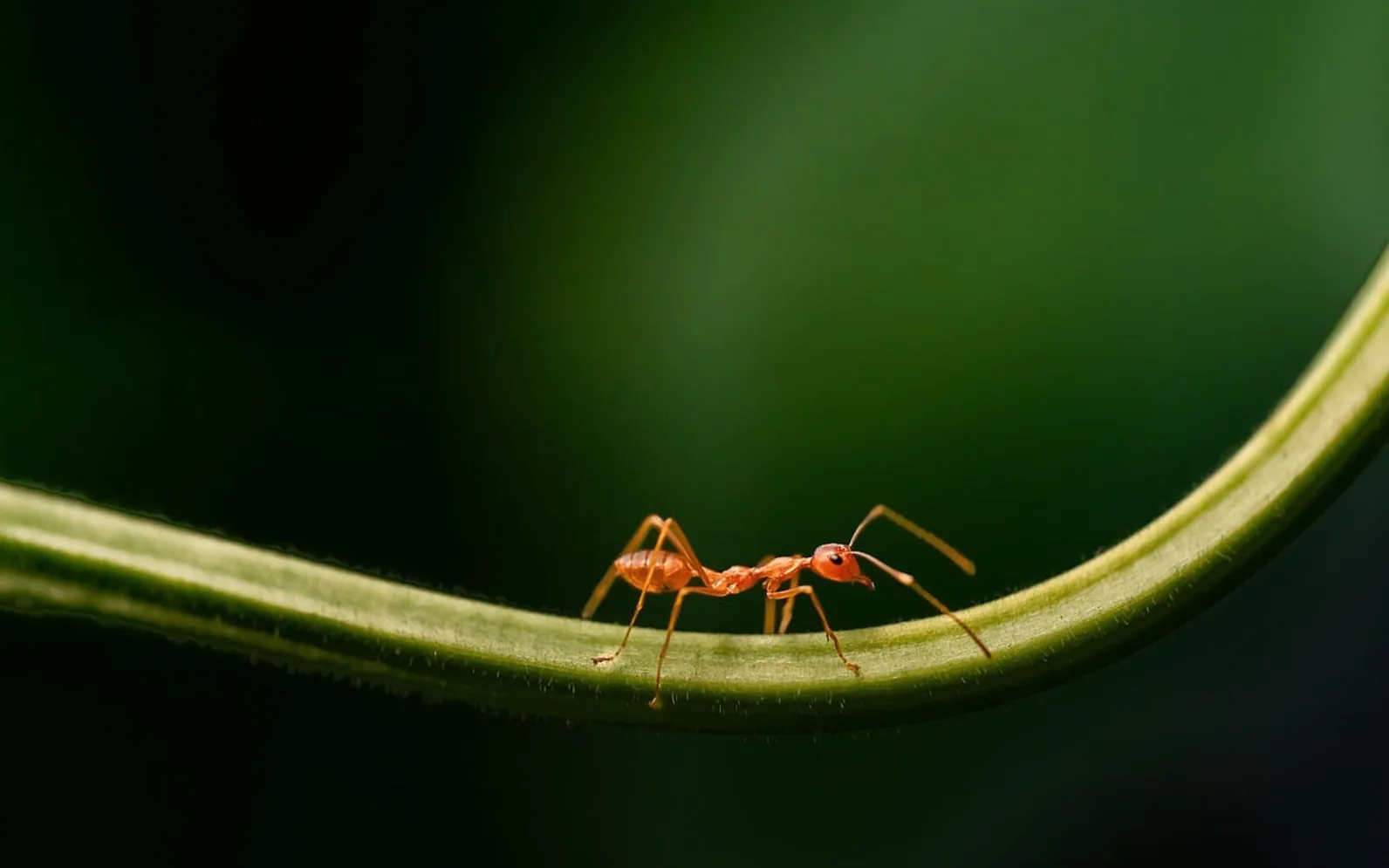
One ant on the counter is a curiosity. Twenty in a neat line between the window frame and the sugar jar is a problem. Most household ants are more nuisance than danger, but they multiply quickly once they find a reliable meal. The good news is that a methodical approach usually solves the problem without drastic measures. Here is how to do it, step by step.
Step 1: Watch before you wipe
It is tempting to squash the first ants you see, but take a few minutes to follow the line instead. Ants leave a scent trail for their nestmates, so the line leads two ways: to the food they have found and back toward where they are coming in. Note both ends. That entry point, often a gap around a window, a skirting board, a pipe or an electrical outlet, is what you will eventually seal.
Also take a look at the ants themselves. Small dark ants around the kitchen are typically after sweets or grease. Large black ants near damp wood may be carpenter ants, which can damage timber. If you see sawdust-like debris near wooden structures, that is a sign to call a pest professional rather than rely on home methods.
Step 2: Remove the food and water
Ants stay where the living is easy. Make your home less rewarding:
- Wipe counters and tables after every meal, including sticky spots under appliances.
- Move sugar, honey, cereal, pet food and snacks into containers with tight lids.
- Rinse recyclables before they go into the bin and empty kitchen waste often.
- Do not leave pet bowls full overnight; pick them up or place them in a shallow moat of water.
- Fix dripping taps and wipe up water around the sink, since some species are drawn to moisture.
Step 3: Erase the trail
Once you know where they travel, clean the route with warm soapy water or a mix of water and white vinegar. This removes the scent markers, so new ants lose the map. Repeat for a few days, because scouts will try to re-establish the path.
Safety note: never mix cleaning products. Vinegar and bleach together, or bleach and ammonia, release harmful gases. Use one cleaner at a time, ventilate the room and rinse surfaces that touch food.
Step 4: Use baits rather than sprays
Spraying the ants you can see only kills the workers outside the nest. The colony, including the queen, carries on and simply sends more. Baits work differently: worker ants carry the slow-acting bait back home and share it, which can reduce the whole colony over time.
Some practical tips for baits:
- Place them along the trail and near the entry point, not on top of the food source you have just cleaned.
- Expect to see more ants for a day or two at first. That means they have found the bait.
- Do not spray or clean right next to the bait, or the ants will avoid it.
- Be patient. It can take days to a couple of weeks for activity to drop.
Chemical safety: read and follow the label on every product. Keep bait stations and any insecticide well out of reach of children and pets, wash your hands after handling them, and store leftovers in their original containers. If anyone swallows a product, contact poison control or a doctor right away and have the label with you.
Step 5: Seal the way in
When activity has died down, close the gaps you found in step 1. A tube of silicone caulk handles most cracks around window frames, baseboards and pipes. Check door sweeps and weather stripping too. Outside, trim plants and branches that touch the walls, since they act as bridges, and keep mulch and firewood a little away from the foundation.
Gentle deterrents: what to expect
You will find many home remedies online. Here is a realistic view:
| Method | What it does | Limits |
|---|---|---|
| Soapy water or vinegar wipe | Removes scent trails | Does not affect the nest |
| Strong scents such as peppermint or citrus | May discourage ants from a spot | Short-lived; ants often route around it |
| Food-grade diatomaceous earth | Dry powder that can harm ants crossing it | Loses effect when damp; avoid breathing the dust |
| Commercial bait stations | Shared back in the nest | Slow; must be kept away from kids and pets |
When to call in help
Bring in a pest control service if ants keep returning after several weeks of consistent effort, if you suspect carpenter ants, if the nest seems to be inside a wall, or if you would rather not handle insecticides yourself. A good provider will explain what they plan to use and how to keep the household safe.
Ants are rarely the only uninvited guests a home sees. Our comparison of professional and DIY bed bug monitors looks at a tougher pest, and if the ants were drawn by damp, our guide on how to remove mold from walls tackles the moisture side of the problem.
Tell us what you think.
We read every message.