How to Winterize Your Car: A Cold-Weather Checklist
How to winterize your car before the first frost: battery, coolant, tyres, wipers, lights and a roadside kit, in the order a sensible weekend check takes.
- Added
- Reading length5 min
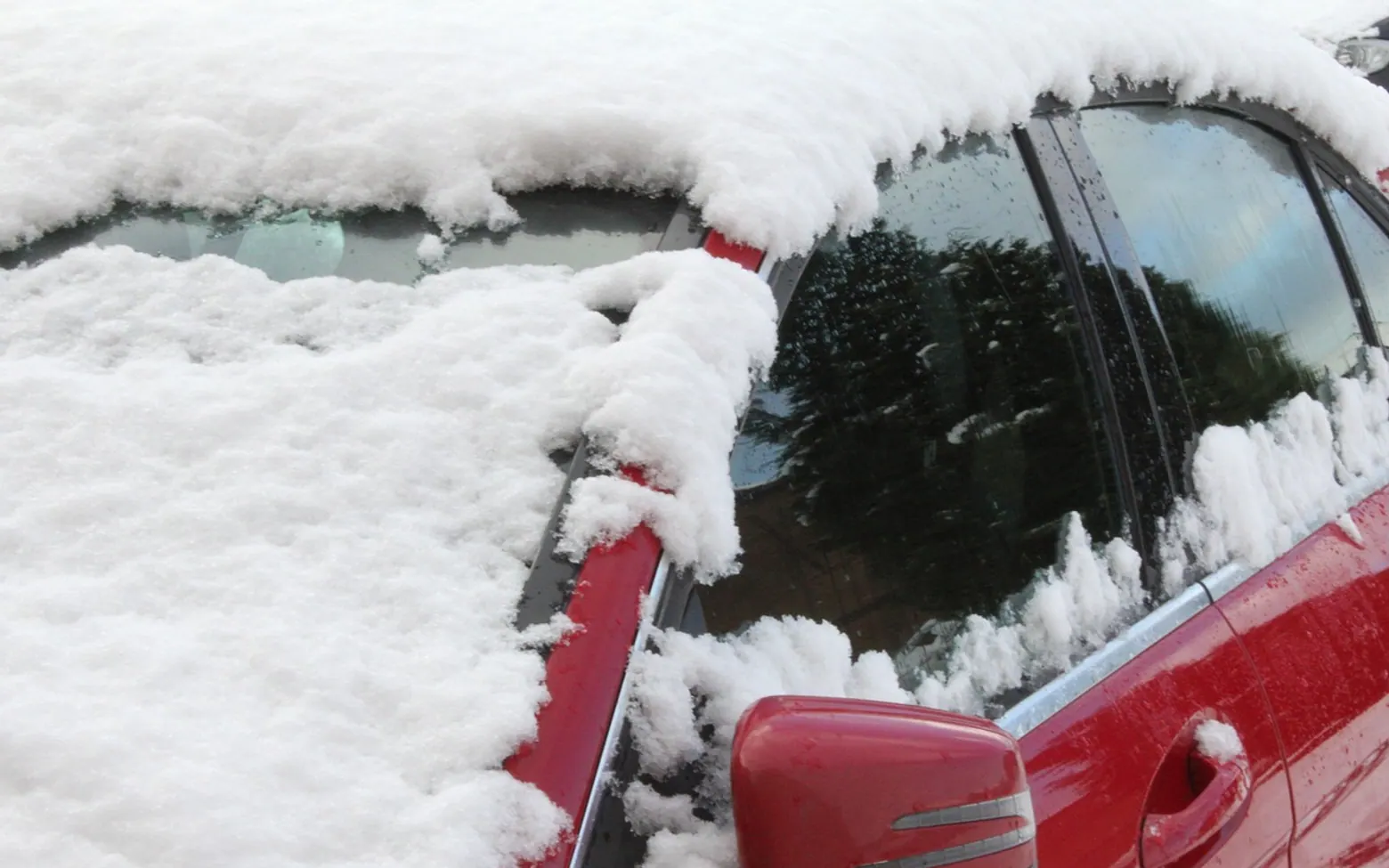
The first properly cold morning has a way of exposing every small fault a car has been hiding. The engine turns over slowly, the washer jets spray nothing because the water in the bottle has frozen, and a warning light that flickered all summer suddenly stays on. Winterizing a car simply means finding those weak spots in autumn, while the weather is still kind enough to fix them in a driveway rather than at the side of a road.
None of the steps below needs special tools. Some are checks you can do yourself in an afternoon; a few are better left to a garage. The order follows how a car tends to fail in the cold: first it struggles to start, then it struggles to see and be seen, and finally it struggles for grip.
1. Start with the battery
Cold weather slows the chemical reaction inside a battery, so it delivers less power at the moment the engine, thickened oil and all, asks for more. A battery that coped in July can give up on the first icy morning. Signs worth taking seriously include a slow, laboured crank, dimming headlights when the engine idles and a battery that is several years old.
- Look at the terminals. White or greenish crust on the clamps can be cleaned off with care; loose clamps should be tightened.
- Ask a garage or parts shop to test it. Many will check the charge and condition quickly, and the result tells you whether it is likely to see out the season.
- If the car sits unused for long stretches, a smart charger or maintainer keeps the battery topped up without overcharging.
2. Check the coolant (antifreeze)
Coolant does two jobs: it carries heat away from the engine and it stops the water in the system from freezing and cracking parts. Check the level in the expansion tank with the engine cold, never by opening a hot cap. The tank has minimum and maximum marks. If the level is low or the fluid looks rusty or sludgy, have the system checked and topped up with the type and mix the handbook specifies, since different engines use different coolants and mixing them is not always wise.
3. Make sure you can see
Winter visibility problems arrive from every direction at once: low sun, road salt, spray from lorries and long hours of darkness. This part of the checklist costs little and pays back on every drive.
| Item | What to check | Simple fix |
|---|---|---|
| Wiper blades | Streaks, skipping or split rubber | Replace the blades; they wear faster than most people expect |
| Washer fluid | Plain water or a summer mix in the bottle | Fill with a screenwash rated for freezing temperatures |
| Windscreen | Chips or cracks | Have them repaired early; cold and heater blasts can make them spread |
| Heater and demister | Slow to clear fog from the glass | Get the system checked before you depend on it |
| Lights | Blown bulbs, cloudy lenses, wrong aim | Walk round the car with the lights on and replace what has failed |
4. Look after the tyres
Tyres deserve more attention in winter than at any other time, because they are the only part of the car in contact with ice and slush. Air contracts as it cools, so pressures drop when temperatures fall; check them regularly, when the tyres are cold, against the figures on the door-frame sticker or in the handbook. Look at tread depth too: legal minimums vary by country, and a tyre near the limit clears water and slush far less well than a fresh one. Whether winter or all-season tyres make sense depends on where you live and how harsh the season gets, and our article on choosing and checking tyres for snow and ice walks through that decision.
5. Do not forget the brakes
Wet, salty roads are hard on brake discs and pads, and stopping distances grow on slippery surfaces anyway. A pre-winter service is a good moment to have pad thickness and disc condition measured. Some noise on a damp morning is normal, which is explained in the piece on why brakes squeak on cold, damp mornings; grinding, pulling to one side or a soft pedal is not, and needs a mechanic.
6. Oil, fuel and the small things
- Engine oil: check the level on the dipstick and keep to the grade listed in the handbook, which already accounts for cold starts.
- Fuel: many drivers keep the tank at least half full in winter, so a traffic jam or a detour in bad weather does not become a worry about running dry.
- Door seals and locks: a little rubber-safe treatment on the seals helps stop doors freezing shut.
- Underbody: rinse off road salt now and then, especially around the wheel arches.
7. Pack a winter kit
A breakdown is unpleasant at any time of year and genuinely risky in freezing weather. A small box in the boot covers most situations:
- Ice scraper and de-icer
- Warm blanket, gloves and a hat
- Torch with spare batteries
- Phone charging cable or power bank
- Jump leads, or a compact battery booster
- Small shovel and a bag of grit or cat litter for traction
- Water and a few snacks that keep
- Reflective warning triangle or high-visibility vest
Before each cold drive
Winterizing is mostly done once, but a few habits matter every time. Clear all the snow and ice, including the roof and the lights, not just a porthole in the windscreen. Give the glass time to demist. Check the forecast and road reports, and tell someone your route if you are heading somewhere remote. If conditions are severe and the trip can wait, waiting is the sensible choice.
A quick weekend plan
If you would rather tackle it in one go, Saturday morning can cover the visual checks: lights, wipers, washer fluid, tyre pressures and tread, fluid levels and the winter kit. Book the battery test and a brake and coolant check for the following week. It is a modest amount of effort, and planning car costs ahead the same way keeps a trip affordable too, an idea that runs through our guide to keeping travel costs down without missing out.
Tell us what you think.
We read every message.