Efficient Waste Solutions: How Container Services Keep German Cities Clean
How skip and container services fit into waste management in German cities, from booking and permits to sorting rules, recycling and choosing the right size.
- Added
- Reading length2 min
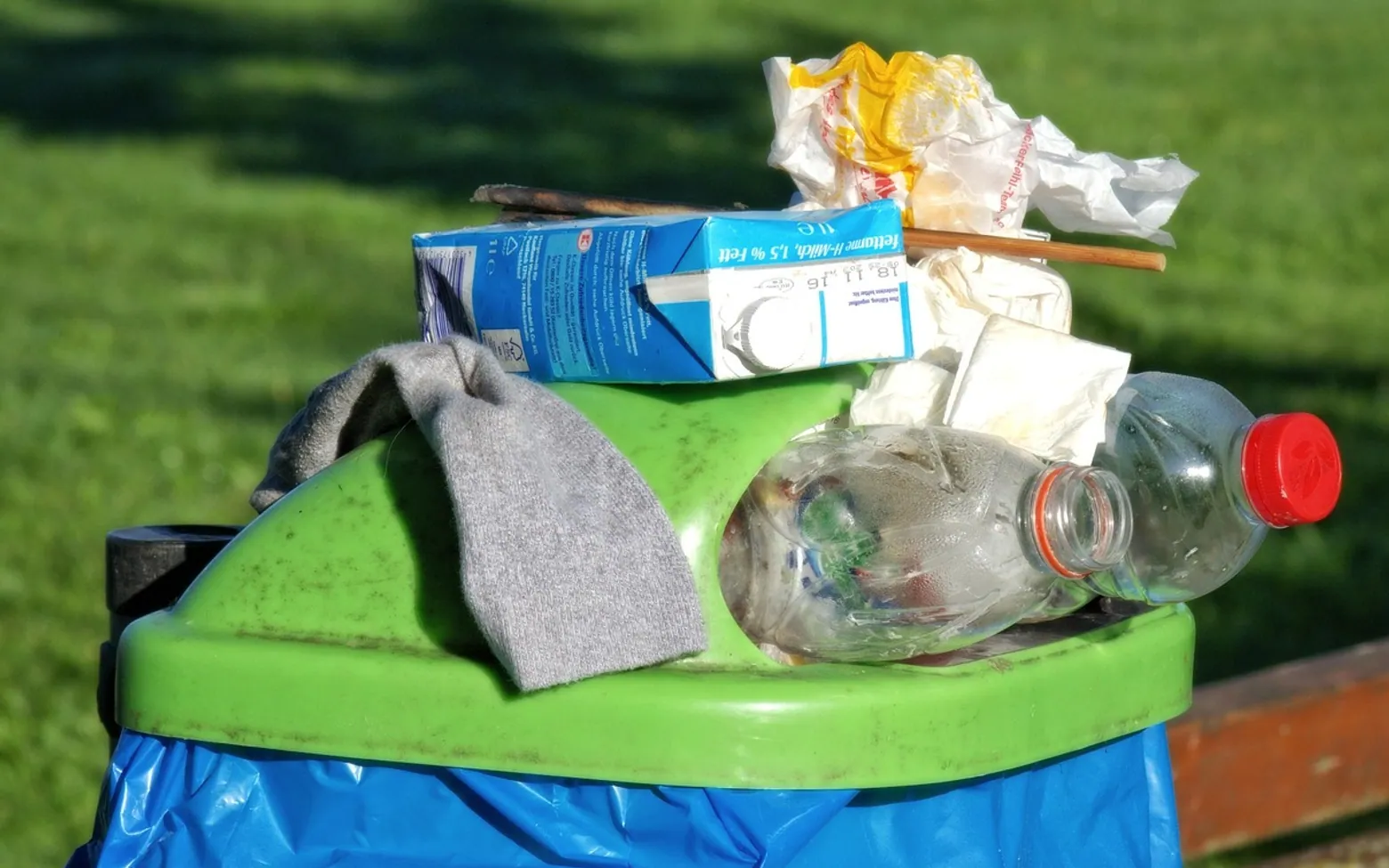
Germany's reputation for careful waste sorting is well earned, but household bins are only part of the system. Whenever a flat is cleared, a garden is redesigned, a roof is replaced or a shop is refitted, the volume of rubbish quickly exceeds anything the regular collection can handle. That is where container services step in, quietly keeping construction sites, courtyards and streets from filling up with debris.
From booking to collection
The process is usually straightforward. A customer describes the job and the type of waste, the provider recommends a container size, and a truck delivers it to an agreed spot. Once it is full, the container is collected and taken to a sorting or treatment facility. Many providers offer fixed rental periods with options to extend, and some handle several exchanges for longer projects.
In a busy city like Frankfurt, timing and placement require local knowledge. A provider such as Containerdienst Frankfurt brings that experience to residents, businesses and builders, helping them choose the right container and arrange delivery so the work can begin without delay.
Permits and placement
A container on private land, such as a driveway or courtyard, generally needs no special approval. Placing one on a public road or pavement usually does, and the rules differ between municipalities. Applications may need to be submitted in advance and can involve fees or signage requirements. Providers often help with this step or explain what the local authority expects. The ground should also be firm enough to support a loaded container, and access for the delivery truck needs to be clear.
Sorting is part of the deal
German waste rules separate materials so they can be recycled or treated correctly, and container services follow the same logic. Typical categories include:
- Construction rubble such as bricks, concrete and tiles
- Mixed construction waste
- Wood, separated by treatment type where required
- Green waste from gardens
- Bulky household items and furniture
- Soil and excavated material
Hazardous materials, such as certain insulation, asbestos, paint residues, batteries or chemicals, must not go into a standard container and require specialised disposal. Mixing categories can lead to extra sorting charges, so it pays to ask in advance what is allowed.
Picking the right size
Containers come in a range of volumes, from small units suited to a bathroom renovation to large roll-off containers for building sites. Choosing one that is too small means a second delivery; choosing one far too large wastes money and space. Describing the project honestly, including the type of material, gives the provider what it needs to recommend a sensible option. Heavy materials like soil and rubble may need a smaller container because of weight limits, even if the volume seems modest.
Why it matters for the city
Organised container services keep pavements clear, reduce illegal dumping and ensure that recyclable material actually reaches recycling facilities. Sorted rubble can become road-building aggregate, wood can be reused or used for energy, and metals return to industry. Each well-managed container is a small contribution to the circular economy that German cities have worked hard to build.
Tell us what you think.
We read every message.